
![Selling a Hoarder House in [market_city]](https://image-cdn.carrot.com/eyJidWNrZXQiOiJwcm9kdWN0aW9uLmNhcnJvdC11cGxvYWRzLm9uY2Fycm90LmNvbSIsImtleSI6InVwbG9hZHMvc2l0ZXMvNzEwNDcvMjAyNi8wNy9TZWxsaW5nLWEtSG9hcmRlci1Ib3VzZS5wbmciLCJlZGl0cyI6eyJyZXNpemUiOnsid2lkdGgiOjExNTJ9LCJ0b0Zvcm1hdCI6IndlYnAiLCJ3ZWJwIjp7InF1YWxpdHkiOjcwfX19)
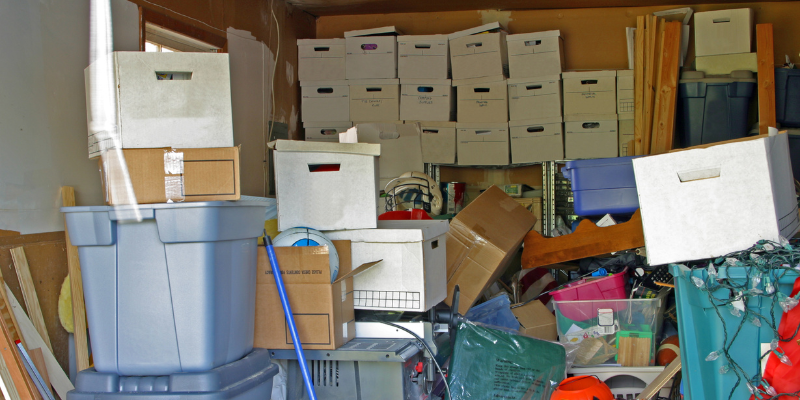
Walk into enough of these properties, and you stop being surprised by what you find. Car parts stacked to the ceiling in the living room. Forty years of newspapers lining every hallway. A garage in Mesquite that hadn’t been opened since 2003. Selling a hoarder house in Texas isn’t like selling a regular fixer-upper, and treating it like one is the fastest way to leave money on the table or end up with no sale at all.
What Is a Hoarder House in Texas?
Misidentifying the property type costs sellers real money. A house that qualifies as a true hoarder home carries a different set of risks, legal obligations, and buyer expectations than a house that just needs a good cleaning and some paint. Calling it “a little cluttered” when listing it on the MLS is the kind of thing that blows up a transaction three days before closing when the inspector discovers mold behind a wall of stacked boxes (and that inspector will find it).
Hoarding disorder is a recognized psychological condition where a person accumulates items compulsively and finds it distressing to part with them, regardless of their actual worth. Over time, that accumulation creates real physical damage to a property. Floors weaken under sustained weight. Moisture gets trapped, and mold develops. Pest populations build inside walls and under piles where nobody has walked in years (sometimes decades, based on what I’ve seen). Health and safety hazards arising from a severe hoarding situation can leave the home in a condition well below livable or habitable standards.
Texas has millions of single-family homes. Statistically, hoarding disorder touches a notable slice of the population, and I’ve personally bought properties across the Metroplex, the Houston area, and smaller Hill Country towns where the condition had been silently progressing for a decade or longer before a family finally called us.
A hoarder’s house in Texas isn’t defined by a single visible trait. Properties that reach hoarding levels often have compromised structural elements, active pest infestations, and serious mold problems that don’t show up until remediation begins. Knowing that upfront shapes every decision that follows, from how you price it to which buyers you target.
If you don’t want to handle cleaning, repairs, or listing the property, contact us today for a fair cash offer and see how much your hoarder house is worth.
Why Is It So Hard to Sell a Hoarder House in Texas?
Sellers picture listing the house, getting a buyer who “sees the potential,” closing in the standard 30 to 45 days, and walking away with a fair check. This picture breaks down at almost every step.
Median days on market across Texas is currently around 68 days, and that’s for clean, move-in-ready homes. A hoarder house on the open MLS market typically sits on the market much longer. Conventional buyers walk away as soon as they see the condition. Their lenders won’t finance a property with visible structural damage, active mold, or pest infestations, and those issues are almost always present in a true hoarding situation.
The Reeves family called us this past fall about a property in Garland, a working-class neighborhood northeast of Dallas that has weathered many economic cycles. They were three months behind on the mortgage with an auction date already set. The house had belonged to an elderly parent who had quietly filled every room, including the garage, for over 20 years. A Friday walk-through revealed newspapers stacked waist-high and a bathroom that hadn’t been accessible in years. We closed before the auction date. A traditional sale simply can’t match that kind of timeline when a property is in that condition.
Mortgage lenders won’t touch a hoarder’s house. Most conventional loan programs, including FHA, require the property to meet minimum habitability standards. A hoarder’s house rarely does. So even if a retail buyer falls in love with the place, their financing falls through, and you’re back at zero. Cash buyers and real estate investors who specialize in distressed properties are almost always the realistic audience for a home in this condition.
How to Make a Plan of Attack Before You List a Hoarder’s House
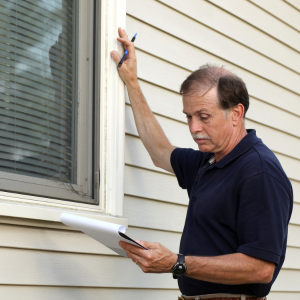
Where do you even start when every room is full? Get a property assessment before you commit to any cleanup or listing strategy. Walk the property with someone who can identify structural concerns, not just an estate sale company that wants to tell you everything is sellable. A structural or general contractor who’s worked on distressed properties will give you a straight answer about what’s under the clutter.
Document the condition thoroughly with photos and video. This protects you legally and gives any buyer or investor an accurate picture before they make an offer. Real estate investors who buy hoarder properties in Texas need to walk the property or at least review documentation before they commit to a number, and anything you can provide upfront speeds that process considerably (video walkthroughs close this gap fast).
Separate personal items first, before anything else moves. Families consistently regret not doing this. I’ve seen sellers let a cleanout crew take a box of irreplaceable photos because no one had set aside the personal items before the crew arrived.
Contact Sell My House Fast early in the process, even before you’ve decided on a path. Getting a no-obligation cash offer gives you a floor number to work from. Once you know what an as-is sale nets you versus a cleaned-and-listed sale, the decision becomes much clearer. This number is free information that changes how you think about every dollar you might spend on cleanup (sometimes dramatically, in my experience).
Should You Clean Out, Renovate, or Sell a Hoarder House As-is?
For years, I pushed sellers toward doing at least a basic cleanout before we even discussed price. I thought it gave everyone a clearer view of what they were working with. In practice, I’ve watched families spend $8,000 on a cleanout only to discover that the repairs beneath the clutter would cost another $40,000. The cleanout just surfaced problems that made the math worse, not better.
The honest framework is this: clean out and renovate only when the numbers actually pencil out. Pull two or three contractor offer on the repairs. Add the cleanout cost, then stack it against the finished retail value and your carrying costs. In many Texas markets right now, where inventory has risen, and sellers are cutting asking prices at levels not seen since 2011, the spread between a renovated retail sale and a clean-as-is offer has narrowed. Spending $60,000 to net an extra $30,000 isn’t a win.
Selling as-is to a cash buyer like Sell My House Fast skips the cleanout expense entirely. The buyer prices the cleanup and repairs into the offer, takes on the risk of what they find, and you close without touching a single box. For families dealing with a probate situation, a foreclosure deadline, or simply an estate they don’t have the bandwidth to manage, that trade-off is the right one most of the time (and often the fastest exit too).
Partial cleanup is a middle path worth knowing about. Some sellers clear out personal items and sentimental belongings, leave the bulk of the junk, and sell to an investor who handles the rest. This approach protects privacy and preserves anything irreplaceable without requiring a full remediation effort.
What Are the Real Costs of Selling a Hoarder House in Texas?

Agent commissions on a standard Texas sale run roughly 5 to 6 percent of the sale price, and that’s before title fees, any buyer concessions, or outstanding taxes get added to the settlement statement. On a $330,000 home, you’re giving up somewhere north of $16,000 just to the agents before a single repair gets touched.
Cleanout costs are the most common cost that most articles skip. Getting a hoarder property genuinely clean runs anywhere from $1,000 for a mild case up to $15,000 for a severe one, depending on square footage, how long the accumulation has been building, and whether biohazards like mold or pest waste are present. A property in a Houston neighborhood like Sharpstown that has been accumulating for 25 years in the humid Gulf Coast climate almost always has mold, which adds specialized remediation costs to the basic cleanout bill.
If structural repairs are needed after the cleanout, those will be hit separately. A weakened floor, a compromised roof, or electrical work that couldn’t be evaluated while the property was inaccessible adds thousands more. Are you starting to see why some sellers walk away with far less than they expected?
Carrying costs hit your wallet, too. Every month the property sits, you’re paying property taxes, insurance, and potentially mortgage payments. Homes in Texas are now taking an average of 112 days to close, and a hoarder house on the market can stretch well beyond that. Six months of carrying costs on a paid-off property still erodes your net proceeds faster than most people plan for. Selling as-is to a direct buyer cuts that clock immediately. A company that buys homes in Fort Worth and surrounding Texas cities purchases hoarder properties in as-is condition, helping homeowners avoid the costs of cleanup, repairs, and extended holding times.
What Are the Legal and Disclosure Rules for Distressed Properties in Texas?
Texas is a non-disclosure state for sale prices, but that doesn’t mean sellers are off the hook on property condition. The Texas Seller’s Disclosure Notice, required under Texas Property Code Section 5.008, is a legal document that asks sellers to disclose known material defects, including roof condition, water damage, pest infestations, and other issues that affect the property’s value or habitability.
Hoarding creates a specific disclosure challenge. Mold is a known health hazard and must be disclosed if you’re aware of it. Pest infestations fall under the same rule. In a property where hoarding has been ongoing for years, sellers who claim they had no knowledge of mold or pest activity face real legal liability if those issues surface after closing, because inspectors and buyers’ attorneys know exactly where to look.
Selling as-is to a cash buyer doesn’t eliminate disclosure obligations, but it does give you a cleaner framework. Cash buyers who specialize in distressed Texas properties already expect these conditions, price them accordingly, and generally don’t come back after closing demanding repairs. The as-is nature of the transaction is built into the contract from the start, which gives both parties clarity (and saves a lot of back-and-forth).
One category of hoarder houses that carries additional legal complexity is the probate situation. If the property is part of an estate, the probate process in Texas requires proper court authorization before a sale can proceed. Moving forward without that authorization exposes heirs to legal liability that can unwind even a completed sale. Get a probate attorney involved early if an estate is in play; it’s not a step you want to shortcut.
How to Market and Find Buyers for a Hoarder House in Texas

A property in Oak Cliff sat on the MLS for 67 days with three canceled contracts. The seller approached us; we made an offer within 48 hours, and the transaction closed in under three weeks. The difference wasn’t price; it was buyer type.
Marketing a hoarder house to the wrong audience is expensive. Retail homebuyers shopping on Zillow or Redfin are looking at photos and clicking away the moment they see stacked clutter or an interior that looks compromised. Listing photos don’t do a hoarder property any favors, and even a well-intentioned real estate agent will struggle to generate qualified traffic for a home that fails standard financing requirements (which most conventional lenders flag immediately).
Real estate investors, Texas cash buyers, and cash homebuyers are the right audience. These buyers underwrite the sale based on after-repair value and their own cost assumptions, and they don’t need pretty photos or a lender’s approval. Reaching them means going directly to investors rather than running a traditional MLS campaign.
In Texas markets like Houston, Dallas-Fort Worth, and San Antonio, there’s an active community of real estate investors who specifically seek out distressed properties. According to Q1 2026 data, the Houston-Pasadena-The Woodlands area alone saw 18,371 closed sales, making it one of the most active markets in the state. That volume means a strong investor presence. Connecting with buyers through direct sale platforms or companies puts your property in front of people who can actually close.
Direct Sale Vs. MLS: Which Option Works Best for a Hoarder House in Texas?
If you’re sitting across from me at your kitchen table, trying to decide whether to list with an agent or sell directly, here’s what I’d tell you: the MLS is built for houses that buyers can move into. A hoarder’s house usually isn’t that house.
Listing on the MLS means managing showings in a difficult property, dealing with buyers whose financing will likely fall apart, and waiting out a market where sellers are already cutting prices aggressively, with median price reductions reaching $12,500 in early 2025. A hoarder’s house in that environment sits longer and is picked apart more thoroughly than a standard home.
A direct sale to a cash buyer moves faster, skips the inspection, contingency, and repair cycle, and closes on your timeline. You won’t net the same price as you would from a fully renovated retail sale. That’s true and worth saying plainly. What you gain is certainty, speed, and the ability to walk away without spending months managing a cleanup, a listing, and a parade of buyer objections.
Rachel Salinas contacted us about a house in Pflugerville, just north of Austin, on a Tuesday afternoon. Her mother had just moved into assisted living, and the four-bedroom had been accumulating for nearly 30 years. The garage was stacked floor to ceiling with appliances, and two of the bedrooms were inaccessible. Rachel wasn’t in a position to coordinate a cleanout, a renovation, and a traditional sale from out of state. We walked the property that Thursday, made an offer the same day, and she closed without touching a single item in the house, which is something I’ve seen matter enormously to families still grieving the transition. That’s the direct sale at its best: a real solution for a real situation.
For sellers who have the time, the resources, and a property where the cleanout reveals manageable repair costs, a cleaned-up listing can make sense. But most hoarder house situations in Texas don’t fit that profile. Most of them are time-sensitive, resource-constrained, and tied to a family going through a difficult time. For those sellers, a direct sale is the clearest path to a fair outcome, because it removes the variables that make an already difficult situation worse.
Selling a hoarder house in Texas doesn’t have to be overwhelming. Whether you choose to clean it up and list it on the market or sell it as-is, the best approach depends on the property’s condition, your timeline, and the resources you have available. Taking the time to understand your options, estimate the true costs, and choose the right buyer can save you time, money, and unnecessary stress. If you’d like to explore an as-is sale, contact Sell My House Fast for a no-obligation cash offer and a straightforward conversation about the best path forward for your situation.
Frequently Asked Questions
Can a Hoarder House Be Sold?
Yes, a hoarder house can absolutely be sold. Your options range from cleaning it out and listing on the MLS to selling it directly to a cash buyer or real estate investor as-is, contents and all. Most hoarder properties in Texas take the most practical path through a direct sale, since conventional financing rarely works for a home in that condition.
What Is the Hardest Month to Sell a House in Texas?
January tends to be the slowest month for home sales across Texas, with buyer activity at its lowest following the holiday slowdown. Hoarder houses face this seasonal drag on top of their existing condition challenges. That said, cash buyers and real estate investors buy year-round, so if you’re selling to that audience, the month matters less than most people think.
How Much Do People Get Paid to Clean Hoarder Houses?
Professional hoarding cleanup crews typically charge between $25 and $80 per hour per worker, with many companies also pricing by square footage at $1 to $2.50 per square foot. For a moderate to difficult situation, total project costs typically range from $4,000 to $15,000, including labor, dumpster rental, and disposal fees. Biohazard cases involving mold, pest infestation, or animal waste push costs higher and require licensed remediation professionals rather than standard junk haulers.
If you want to talk through your options for a hoarder house in Texas, we’re here. No pressure, no obligation. Just a straight conversation about what the property is worth and what path makes the most sense for your situation. At Sell My House Fast, we can provide a fair cash offer and help you sell the property as-is, without the need for cleaning or repairs. Contact us at (281) 225-1729 to get your no-obligation cash offer.
Helpful Texas Blog Articles