
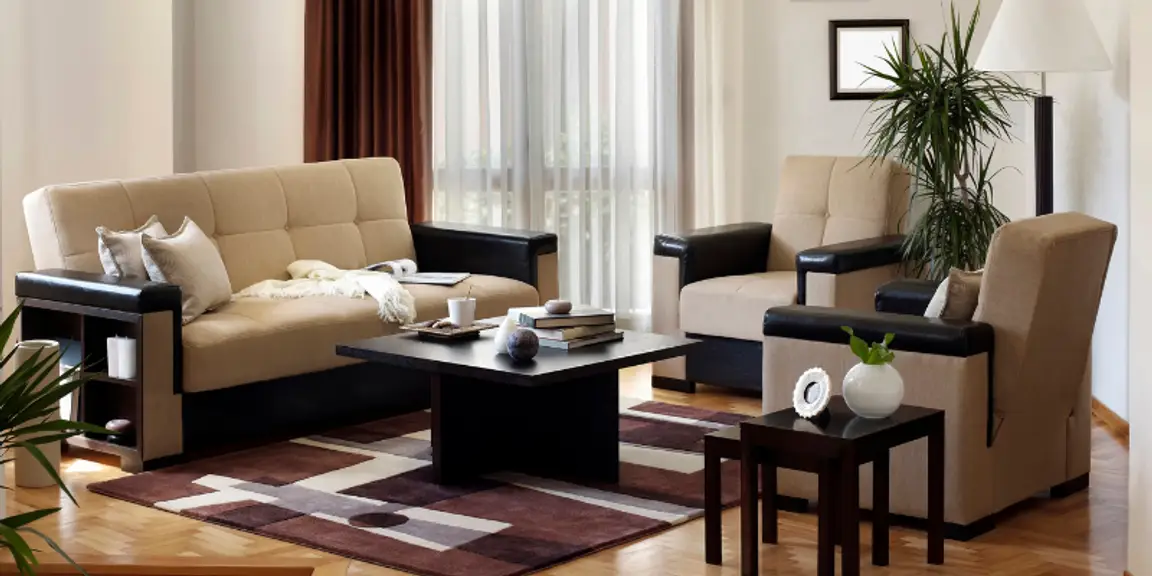
Thirty years of furniture crammed into a 1,970-square-foot house in Pflugerville. The Henderson family inherited exactly that from their father earlier this spring. Four siblings, three different opinions, and a garage so full of tools and hunting gear that we couldn’t see the back wall on a Tuesday afternoon. They wanted to list the house fast and split the proceeds. Before they could even think about staging, we had to have a serious conversation: was staging the right move at all, or would something else serve them better? Every Texas seller should ask that question before signing any contract with a home stager. Not every property needs staging, not every market rewards it equally, and the price range is wider than most people expect.
What Is Home Staging and Why Does It Matter for Texas Sellers?
According to the National Association of Realtors 2025 Profile of Home Staging, the median cost for using a staging service was $1,500. That’s the national midpoint. In Texas, especially in places like The Woodlands, Frisco, and South Congress in Austin, real estate staging costs vary widely depending on square footage, whether the home is vacant (vacant properties almost always run higher), and how competitive the surrounding listings are.
Home staging is the process of preparing a property for sale by arranging furniture, décor, and lighting so buyers walking through can picture the house as their future home, not your current one. A professional home stager is part interior decorator, part marketing strategist, and part psychologist (the psychology piece is genuinely underestimated), and their fee reflects all three.
The NAR’s 2025 report found that nearly 29% of real estate agents said staging their sellers’ homes led to a 1% to 10% increase in the dollar value offered, and almost half of home sellers’ agents observed that staging reduced the time homes spent on the market. In a Texas market where a three-bedroom house in Katy or Cedar Park might list at $380,000 to $450,000, even a 2% price bump (that’s $7,600 to $9,000 back) covers staging costs several times over.
The question sellers rarely ask is whether their specific property type actually benefits. A dated 1980s ranch in San Antonio’s Alamo Ranch subdivision, sitting next to renovated comps? Full staging is worth the investment. A clean, updated townhome in Midtown Houston with fresh paint and neutral finishes? A consult might be all you need. Home buyers care most about the living room, according to NAR data, followed by the primary bedroom and kitchen. Your priority list matters for budget planning, especially when deciding between staging every room and focusing on where buyers actually look first (the living room always wins that debate).
If the cost of home staging doesn’t fit your budget, Sell My House Fast can make a fair cash offer for your Texas home as-is, so you can sell without paying for staging, repairs, or other pre-listing expenses. Contact us for a no-obligation cash offer.
How Does Home Staging Help You Sell Faster and for More Money?
Numbers like the ones above only tell part of the story. What they don’t capture is the emotional logic behind them: buyers scroll through dozens of listings online before scheduling a single showing, and the photos of a well-staged property stop that scroll. In Texas, where the Dallas-Fort Worth metroplex alone regularly sees thousands of active listings at any given time, standing out in search results is half the battle (sometimes more than half). 83% of buyer’s agents reported that staging made it easier for their clients to visualize the property as their home, according to NAR survey data. There’s a difference between a buyer making an offer and moving on to the next listing.
According to NAR data, homes were on the market for about 41 days in January 2025. Sellers who stage their properties routinely see that window shrink. Every week, a house sits unsold in Texas costs you: mortgage payments, utilities, HOA fees if you’re in a community like Cinco Ranch or Shady Hollow, and the slow erosion of buyer enthusiasm as a listing ages (stale listings attract lowball offers).
On average, sellers receive a return on investment of 8 to 10 times the cost of staging. Those numbers don’t hold true in every market or condition, but they illustrate why so many Texas real estate agents recommend it.
One pattern we keep seeing: sellers who skip staging on a vacant property almost always regret it. Empty rooms photograph horribly; they make spaces feel smaller than they are, and buyers start mentally calculating renovation costs instead of falling in love with the house. A staged bedroom with a clean linen duvet and simple nightstands costs a few hundred dollars to furnish for a month, which means you’re often spending less than one price reduction to avoid the problem entirely. The alternative is a listing that sits for six weeks with no traction.
What Factors Drive Home Staging Costs Up or Down?

“My neighbor paid next to nothing for staging” is something we hear often. And they might be telling the truth. Or they might be confusing a $200 decluttering consultation with a full furniture rental package, which includes sofas, beds, art, and accessories for every room. These are very different services, and the price gap between them is enormous.
Size is the loudest cost driver. A two-bedroom condo near Downtown Dallas needs far less furniture and décor than a five-bedroom house in Southlake with formal living and dining rooms to fill. Staging a 2,000-square-foot home runs roughly $2,000 to $2,400 per month once furniture rental enters the picture. Scale that up to a 3,500-square-foot property in Colleyville or Trophy Club, and you’re looking at a meaningfully higher monthly tab.
Whether your home is occupied or vacant when you list it will drive the stager’s entire approach. An occupied home gives the stager raw material to work with; they rearrange, edit, add a few key décor items, and improve lighting. Stagers charge less for occupied homes since they already have a base to work with and can use existing furniture and accessories.
When a house sits completely empty, the math changes fast. Every stick of furniture has to come in on a truck, get placed, and sit there until the house closes. The cost to stage an empty home averages roughly $1,000 to $3,000 more per month than an occupied one, pushing total staging costs into the $4,000 to $6,000 range.
Luxury properties operate on a separate pricing tier. A house on a golf course in The Colony or overlooking Lake Travis doesn’t get staged with catalog furniture; the furnishings have to match the asking price. For luxury properties or those requiring high-end furnishings, staging costs can reach $15,000 to $20,000 or more. Most stagers also lock you into a contract with a minimum rental period. Many designers require three-month minimums for furniture rentals, leaving you potentially paying for months you didn’t need, even if your house goes under contract in three weeks. Read that contract carefully. If those costs don’t fit your budget, a cash home buyer in Texas purchases homes as-is, allowing you to skip staging expenses altogether.
What Is the Average Cost Breakdown for Each Room or Service?
The process almost always starts with a consultation. This is where the stager tours your property, identifies what needs to change, and hands you a plan. Initial consultation fees typically range from $150 to $600, according to HomeAdvisor data. Some stagers credit this toward your total if you hire them for full service, making the consultation essentially free if you go that route. Others don’t. Ask before you sign anything.
After the consult, you’re choosing between service levels. Soft staging (using your existing furniture with added décor, better lighting, and rearrangement) sits at the affordable end. Don’t pay more than $1,000 for soft staging on a standard three-bedroom home; if a quote comes in higher without furniture rental included, get a second opinion. Full staging with furniture rental is the real expense. Per-room furniture rental runs around $500 to $600 monthly, per room, per month.
Virtual staging is worth mentioning for sellers who have already moved out and need photos of a furnished space. Some companies do digital room renderings for as little as $35 per room, letting you achieve a fully furnished-looking listing without renting a single piece of furniture. It’s not the same as physical staging for showings, but for online marketing, it works at a fraction of the cost.
The most commonly staged rooms are the living room (91%), primary bedroom (83%), and kitchen (68%). If your budget is limited, put it there. A staged kitchen and a polished living room do more work than a perfectly appointed guest bedroom nobody will spend thirty seconds in.
Color consultations for paint run $50 to $400, and the right neutral palette can shift buyer perception more than most people expect. A Sherwin-Williams Accessible Beige or Agreeable Gray throughout a San Antonio home photographs ten years younger than a dated terra cotta accent wall.
When Is the Right Time to Invest in Home Staging?
A seller called us about a house in Hurst: lived there seventeen years, kids grown, ready to downsize to Granbury. She’d gotten one lowball offer after three weeks on the market and zero follow-up showings. We pulled up her listing photos. No lighting, cluttered surfaces, and a bedroom that looked like a storage unit. Staging would have cost her significantly more. Instead, she’d lost six weeks of market momentum.
Timing your staging investment correctly means hiring the stager before the photographer arrives, not after the listing has gone cold. Once photos are online and buyers have scrolled past them, you don’t get a second first impression without pulling the listing and resetting the days-on-market count, which raises its own red flags. Texas markets move seasonally. Spring listings in places like Plano, Georgetown, and League City hit the market when buyer activity peaks and competition is stiff. A house that goes live in March or April in a top suburban school district needs to look its best from day one.
Staging makes less sense in a few specific situations. If your property needs foundation work, a roof replacement, or significant plumbing repairs, buyers who do their inspections will find those issues and renegotiate anyway. Staging can’t mask a slab crack. In those cases, the staging dollars are better redirected toward repairs or a price reduction that reflects the home’s actual condition.
Working with a tight timeline because of a job relocation, a divorce, or an estate situation? Sometimes the right answer is to skip staging altogether. If you want to sell your house fast in Dallas and other Texas cities, Sell My House Fast works with homeowners who need a clean, fast exit without the prep-and-list process. We buy houses as-is, so you can avoid staging, repairs, and the traditional prep-and-list process when speed matters most. Depending on your situation, that can be a practical alternative.
How Can Texas Sellers Get the Most Out of Their Home Staging Budget?
Where should the money actually go? Selective, strategic staging beats throwing money at every room, every time.
Start with the spaces that show up in listing photos and MLS marketing. The living room, kitchen, and primary bedroom carry the most weight for buyers browsing Zillow or Realtor.com. Those three rooms staged well outperform a whole-house staging, so concentrating your budget makes it go further. Good lighting is chronically underrated. Swap out any burnt bulbs, add floor lamps in corners, and make sure every fixture has matching, warm-temperature LED bulbs before the photographer arrives. Spending maybe $60 on it changes the listings visibly.
Talk to your real estate agent before hiring a stager. Some Texas agents offer light staging services as part of their listing package, or they can connect you with stagers they’ve already vetted. That referral relationship often means better pricing and accountability.
Decluttering is free. Before spending a dollar on staging, every personal photo, every piece of counter clutter, every piece of dated décor should come off the walls and out of sight. A clutter-free house with your own furniture and an affordable consult from a professional stager often outperforms a staged house that skipped the purge step.
If resale value is your goal, spend your staging dollars where buyers signal they care most. 57% of buyers surveyed in 2024 said a home with their preferred kitchen style was a very or extremely important home characteristic. An updated kitchen aesthetic through staging, new hardware, a clean backsplash, fresh towels, and a bowl of greenery costs very little and resonates with the majority of buyers walking through (kitchens close transactions more than any other room).
What Do Texas Sellers Say About Their Home Staging Results?
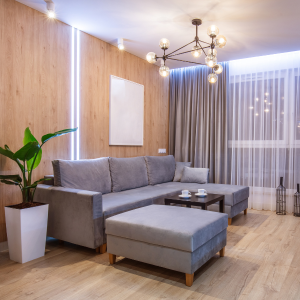
Most sellers who go through the process report that the results surprised them, usually in a good way. The homes they’d lived in for years looked unrecognizable after a stager came through, and buyers responded. Offers came faster. Multiple-offer situations developed in neighborhoods where that wasn’t common. That pattern holds across the Austin suburbs, DFW exurbs, and mid-size markets like Tyler and Waco.
About 75% of sellers who professionally stage their homes before selling experience a 5% to 15% return on investment. For a $350,000 house in Round Rock, that’s $17,500 to $52,500 back in your pocket above what you’d have netted without staging. Not every seller hits the high end of that range, but most come out ahead (especially in competitive price brackets).
The sellers who feel burned by staging are almost always the ones who staged a house that had bigger problems underneath: deferred maintenance, a bad floor plan, a location next to a highway. Staging amplifies what’s already there. It can’t invent an appeal that doesn’t exist.
Miguel Vargas found this out the hard way in Pearland. He owned a dated kitchen in a 1990s two-story that hadn’t been updated in decades. A contractor gave him an estimate to gut and remodel the kitchen before listing, which was higher than the kitchen’s contribution to the home’s appraised value. Miguel chose a middle path: light staging with updated décor and better kitchen lighting, rather than a full remodel. The house was moved in three weeks, and he didn’t spend money he couldn’t recoup.
If you’d rather skip the cost and effort of staging, contact us for a no-obligation cash offer. We buy houses in any condition, so you can sell as-is without making repairs or updates or preparing your home for showings.
Home staging can be a smart investment, but it isn’t the right choice for every Texas home. Whether it’s worth the cost depends on your property’s condition, the local market, your timeline, and your budget. For clean, well-maintained homes, strategic staging can attract more buyers, reduce time on the market, and potentially increase the final sale price. However, if the property needs major repairs or you need to sell quickly, staging may not provide the return you’re hoping for. Before spending money, evaluate your home’s situation and choose the approach that offers the best balance of cost, time, and potential profit.
Frequently Asked Questions
Is Paying for Staging Worth It?
According to the National Association of Realtors 2025 Profile of Home Staging, nearly half of home sellers’ agents observed that staging reduced the time homes spent on the market, and the ROI tends to outpace the cost for most sellers in competitive markets. That said, staging makes the most sense when your property is in good structural condition and priced near market value. If major repairs are needed, fix those first; staging a house with real problems won’t mask what buyers find during inspection.
How Much Do Realtors Charge to Stage a House?
When a real estate agent handles staging themselves rather than hiring an outside company, the cost to the seller is typically lower. NAR data shows the median staging cost drops to around $500 when the seller’s agent personally handles it, compared to $1,500 when a dedicated staging service is brought in. Some Texas agents include basic staging in their listing services, so ask that question upfront before assuming you’ll pay separately.
How Much Does It Cost to Stage a Three-bedroom House?
Home staging for a typical property runs $1,500 to $4,000 on average, with the final cost shaped by local market conditions, home size, and whether the house is vacant or occupied. A three-bedroom house that’s still furnished will cost less than a vacant one, since furniture rental is included in the total. In Texas markets like Frisco or Sugar Land, expect to land in the middle of that range for a standard occupied home with professional staging of the key rooms.
Selling a house in Texas is rarely simple, and staging is just one piece of a bigger puzzle. At Sell My House Fast, we buy houses in any condition and can provide a fair cash offer if you’d rather skip staging and repairs altogether. If you want to talk through your options, whether that’s staging, listing as-is, or something else entirely, reach out to us at (281) 225-1729. No pressure, no obligation, just a straight conversation about what makes sense for your situation.
Helpful Texas Blog Articles